
What Is the Difference Between Major and Minor WordPress Updates?
Understanding the Difference Between Major and Minor WordPress Updates: A Guide to Update Types and Best Practices

WordPress is a powerful platform that requires regular updates to maintain its functionality and security. Understanding the difference between major and minor updates is crucial for website owners who want to ensure their sites run smoothly and securely. Major updates often introduce significant new features and enhancements, while minor updates typically focus on bug fixes and security patches. This article will explore the definitions, characteristics, and importance of both types of updates, as well as the risks associated with skipping them. Additionally, we will discuss how Secure WP Solutions manages WordPress updates to optimize security and performance.

What Defines a Major WordPress Update?

A major WordPress update is characterized by significant changes to the platform, including new features, enhancements, and improvements to existing functionalities. These updates often require users to adapt to new interfaces or functionalities, which can impact the overall user experience. Major updates are essential for keeping the WordPress ecosystem dynamic and responsive to user needs.

Which Features and Security Enhancements Are Included in Major Updates?
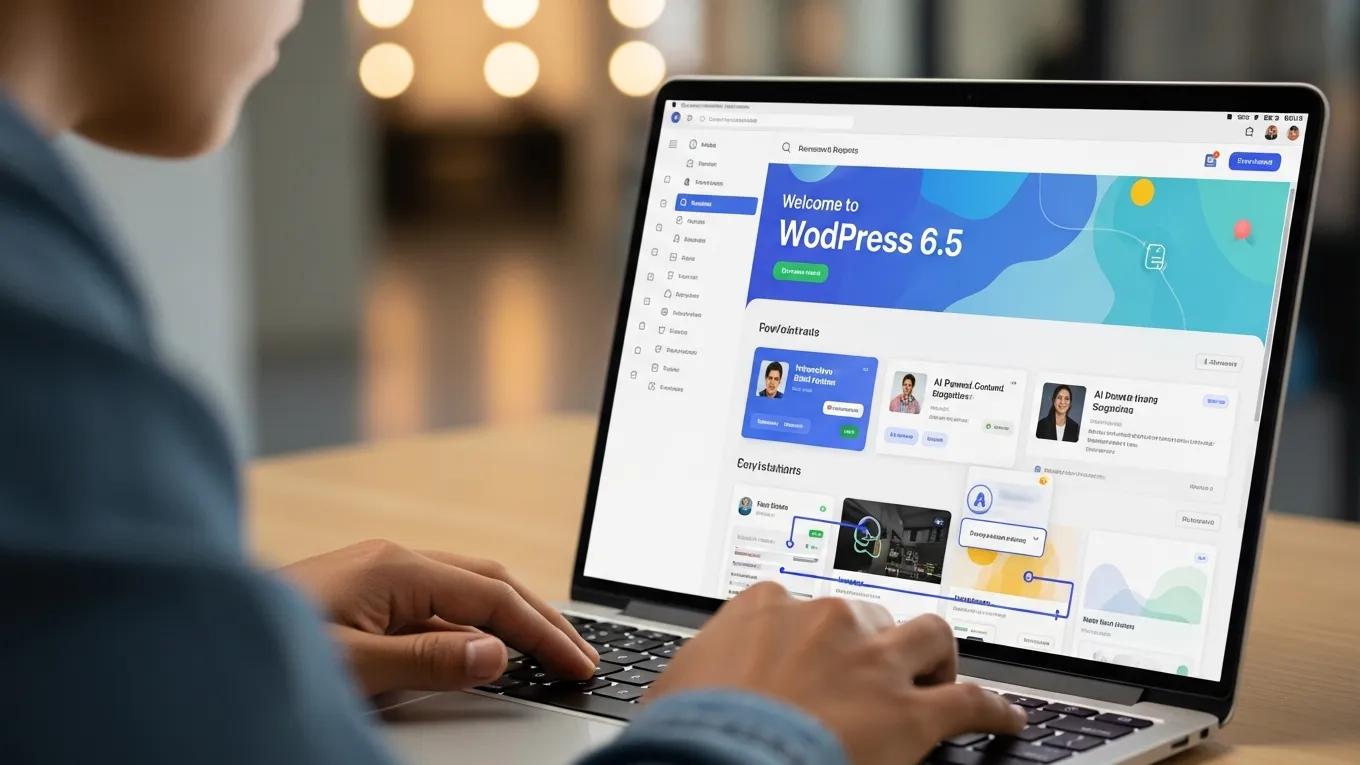
Major updates typically include a variety of new features and security enhancements. Some common features introduced in major updates are:

  1. New User Interfaces: Enhancements to the dashboard and editing interfaces improve user experience.
  2. Performance Improvements: Updates often include optimizations that enhance site speed and responsiveness.
  3. Security Enhancements: Major updates frequently address vulnerabilities, ensuring that the platform remains secure against emerging threats.

These features not only improve the functionality of WordPress but also enhance the overall security of websites built on the platform.

How Often Are Major WordPress Updates Released?

Major WordPress updates are generally released approximately every 5-6 months. This schedule allows developers to introduce substantial changes while ensuring that users have adequate time to adapt. Factors influencing the release frequency include the discovery of critical security vulnerabilities and the need for significant feature enhancements. Staying informed about these updates is vital for website owners to maintain optimal performance and security.

The strategic timing of these releases is a critical aspect of software lifecycle management, balancing innovation with user adaptation.

Software Upgrade Timing: Lifecycle Management Decisions

Life‐cycle management of software products is a complex task. In this context, the timing of upgrades is one of the most difficult decisions a manager must make.

Product life‐cycle management of packaged software, A Mehra, 2014

What Characterizes Minor WordPress Updates and Their Importance?

Minor WordPress updates focus on bug fixes, security patches, and minor enhancements. These updates are crucial for maintaining the stability and security of WordPress sites without introducing significant changes that could disrupt user experience.

Indeed, the core purpose of these smaller updates is often to address critical issues and maintain the platform’s integrity.

WordPress Updates: Addressing Security & Bugs

Refer to the WordPress and updated to address security problems and bugs.

Using WordPress as a library content management system, PA Farrington, 2011

What Types of Bug Fixes and Maintenance Are Addressed in Minor Updates?

Minor updates typically address various issues, including:

  1. Bug Fixes: Resolving minor glitches that may affect site functionality.
  2. Security Patches: Addressing vulnerabilities that could be exploited by malicious actors.
  3. Compatibility Improvements: Ensuring that themes and plugins work seamlessly with the latest version of WordPress.

These updates are essential for keeping websites running smoothly and securely, as they help prevent potential issues that could arise from outdated software.

Why Are Minor Updates Essential for WordPress Security and Stability?

Minor updates play a critical role in maintaining the security and stability of WordPress sites. By regularly applying these updates, website owners can:

  1. Mitigate Security Risks: Addressing vulnerabilities promptly reduces the risk of attacks.
  2. Enhance Stability: Fixing bugs ensures that websites function correctly, providing a better user experience.
  3. Maintain Compatibility: Regular updates help ensure that themes and plugins remain compatible with the latest version of WordPress.

Neglecting minor updates can lead to significant security and performance issues over time.

This risk is particularly pertinent when considering the numerous plugins that extend WordPress functionality, as they can introduce their own security challenges if not properly maintained.

WordPress Plugin Vulnerabilities & Security Bulletins

to characterize vulnerabilities caused by plugins in web-based systems. To this end, we went over WordPress vulnerability bulletins cataloged by the National Vulnerability Database as

Understanding vulnerabilities in plugin-based web systems: an exploratory study of wordpress, M Viana, 2018

What Risks and Benefits Are Associated with Skipping WordPress Updates?

Skipping WordPress updates can have serious consequences for website security and functionality. Understanding these risks and benefits is essential for website owners.

How Can Skipping Major Updates Affect Website Security and Functionality?

Neglecting major updates can expose websites to various risks, including:

  1. Increased Vulnerability: Major updates often include critical security patches that protect against known threats. Skipping these updates can leave sites open to attacks.
  2. Loss of Functionality: New features introduced in major updates may enhance site performance. Without these updates, websites may miss out on important improvements.
  3. Compatibility Issues: As plugins and themes are updated, they may require the latest version of WordPress to function correctly. Skipping updates can lead to compatibility problems.

What Are the Consequences of Ignoring Minor Maintenance Updates?

Ignoring minor updates can also have detrimental effects, such as:

  1. Performance Degradation: Unresolved bugs can lead to slower site performance and a poor user experience.
  2. Increased Security Risks: Minor updates often address vulnerabilities that could be exploited by attackers. Neglecting these updates increases the risk of a security breach.
  3. User Frustration: A website that frequently experiences issues due to outdated software can frustrate users, leading to decreased traffic and engagement.

Regularly applying both major and minor updates is essential for maintaining a secure and functional WordPress site.

How Does Secure WP Solutions Manage WordPress Updates for Optimal Security?

Secure WP Solutions specializes in managing WordPress updates to ensure optimal security and performance for its clients. By implementing a structured update management process, the company helps website owners stay ahead of potential issues.

What Maintenance Plans Does Secure WP Solutions Offer for Update Management?

Secure WP Solutions offers several maintenance plans tailored to meet the needs of different clients. These plans typically include:

  1. Regular Updates: Scheduled updates for both major and minor releases to ensure websites remain secure and functional.
  2. Backup Services: Regular backups to protect against data loss during the update process.
  3. Performance Monitoring: Continuous monitoring of website performance to identify and address issues promptly.

These maintenance plans provide peace of mind for website owners, knowing that their sites are in expert hands.

How Does Expert Update Handling Prevent Downtime and Security Issues?

Expert handling of updates is crucial for preventing downtime and security issues. Secure WP Solutions employs best practices, such as:

  1. Staging Environments: Testing updates in a staging environment before applying them to live sites to ensure compatibility and functionality.
  2. Proactive Monitoring: Continuous monitoring of website performance and security to identify potential issues before they escalate.
  3. User Communication: Keeping clients informed about upcoming updates and their implications for site performance.

By following these practices, Secure WP Solutions helps clients maintain secure and high-performing WordPress sites.

For more detailed guidance on managing WordPress updates effectively, consider exploring the WPBeginner guide to updating WordPress, which offers comprehensive tips and best practices.

Secure WP Solutions
Privacy Overview

This website uses cookies so that we can provide you with the best user experience possible. Cookie information is stored in your browser and performs functions such as recognising you when you return to our website and helping our team to understand which sections of the website you find most interesting and useful.