
Enhance Your Site: Benefits of WordPress Security Monitoring
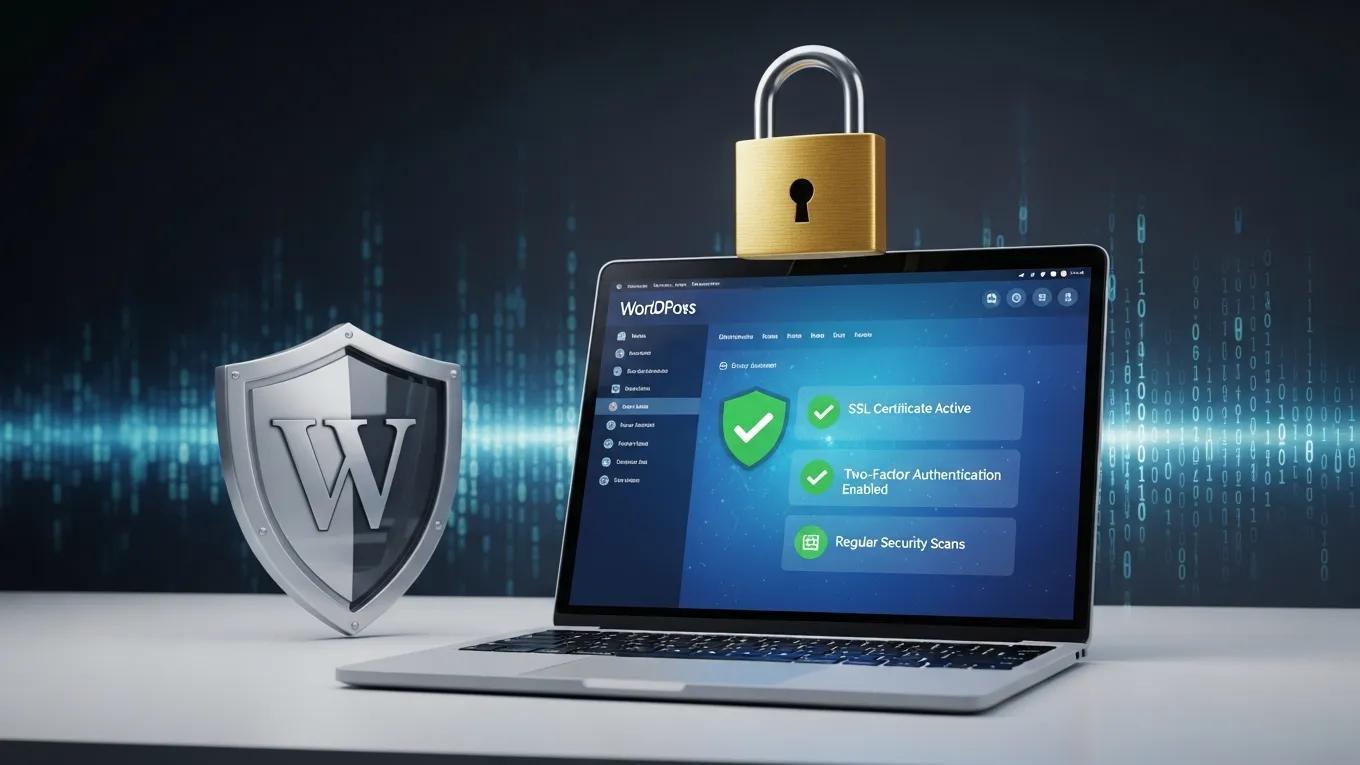
How Regular WordPress Security Monitoring Protects Your Website From Hackers

By Support Team, Secure WP Solutions

In the digital age, maintaining the security of your WordPress website is paramount. Regular security monitoring serves as a proactive measure to safeguard your site against potential threats, ensuring that vulnerabilities are identified and addressed before they can be exploited. This article delves into the significance of WordPress security monitoring, the common threats that target these sites, and effective strategies to maintain website safety. By understanding the mechanisms behind these threats and the importance of consistent monitoring, website owners can protect their sensitive data and maintain their online presence. We will explore various security threats, types of malware, and the best practices for keeping your WordPress site secure.

Importance of Monitoring

Regular monitoring of your WordPress site is essential for several reasons. It helps identify vulnerabilities that could be exploited by hackers, minimizes downtime caused by security breaches, and protects sensitive data from unauthorized access. By implementing a robust security monitoring system, website owners can ensure that their sites remain operational and secure, providing a safe environment for users. This proactive approach not only enhances the overall security posture of the website but also builds trust with visitors, which is crucial for maintaining a positive online reputation.

Common Security Threats Targeting WordPress Sites
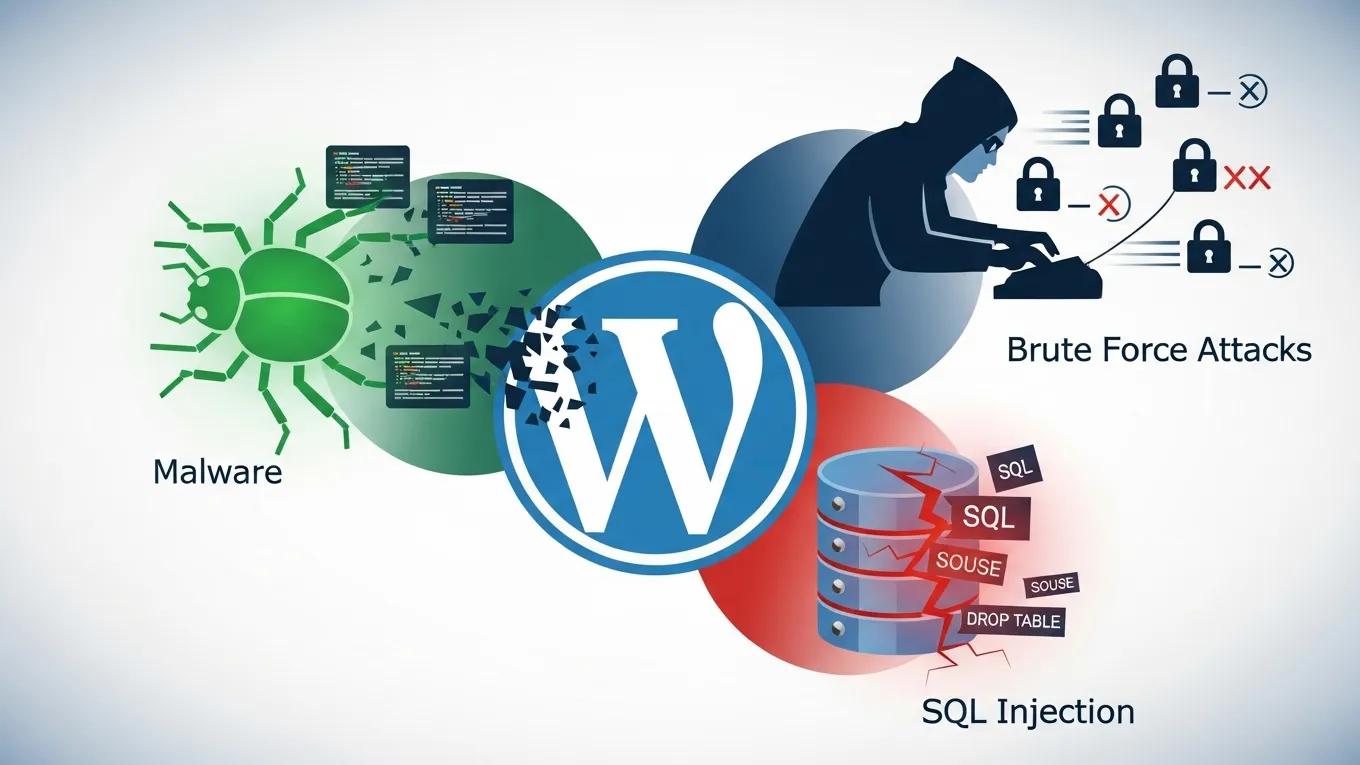
WordPress sites are often targeted by various security threats, making it crucial for owners to be aware of these risks. Some of the most common threats include:

  1. Malware Infections: Malicious software can compromise the integrity of your site, leading to data theft or site defacement.
  2. Brute Force Attacks: Attackers use automated tools to guess passwords, gaining unauthorized access to the site.
  3. SQL Injection: This technique involves inserting malicious SQL queries into input fields, allowing attackers to manipulate the database.
  4. Cross-Site Scripting (XSS): XSS attacks enable hackers to inject malicious scripts into web pages viewed by users, potentially stealing sensitive information.
  5. Outdated Plugins and Themes: Failing to update plugins and themes can leave your site vulnerable to known exploits.

Given the popularity of WordPress, brute-force attacks remain one of the most persistent threats against these sites.

WordPress Brute-Force Attacks: An Overview

WordPress, with more than 18M websites world wide, is the most prominent WCMS. Is because of its popularity that this and other well-known WCMSs have been systematically attacked for the past years by different threat actors seeking disposable infrastructure for their attacks.Brute-force attacks are one of the most common types of attacks against WCMSs.

An overview of the WCMS brute-forcing malware landscape, V Valeros, 2017

Understanding these threats is the first step in developing a comprehensive security strategy for your WordPress site.

Types of Malware and Vulnerabilities

Malware can take various forms, each posing unique risks to WordPress sites. Common types of malware include:

  • Malicious Code Injection: Attackers insert harmful code into your site, which can execute harmful actions without your knowledge.
  • Redirects: Malware can redirect users to malicious sites, compromising their security and your site's reputation.
  • Data Theft: Some malware is designed specifically to steal sensitive information, such as user credentials and payment details.

Recognizing these vulnerabilities is crucial for implementing effective security measures that can mitigate the risks associated with malware.

How Hackers Exploit Weaknesses

Hackers often exploit weaknesses in WordPress sites through various methods. They may use automated tools to conduct brute force attacks, targeting weak passwords and gaining unauthorized access. Additionally, outdated plugins and themes can serve as entry points for attackers, who can inject malicious code or exploit known vulnerabilities. By understanding how hackers operate, website owners can take proactive steps to fortify their defenses and reduce the likelihood of a successful attack.

Effective Strategies for Maintaining Website Safety
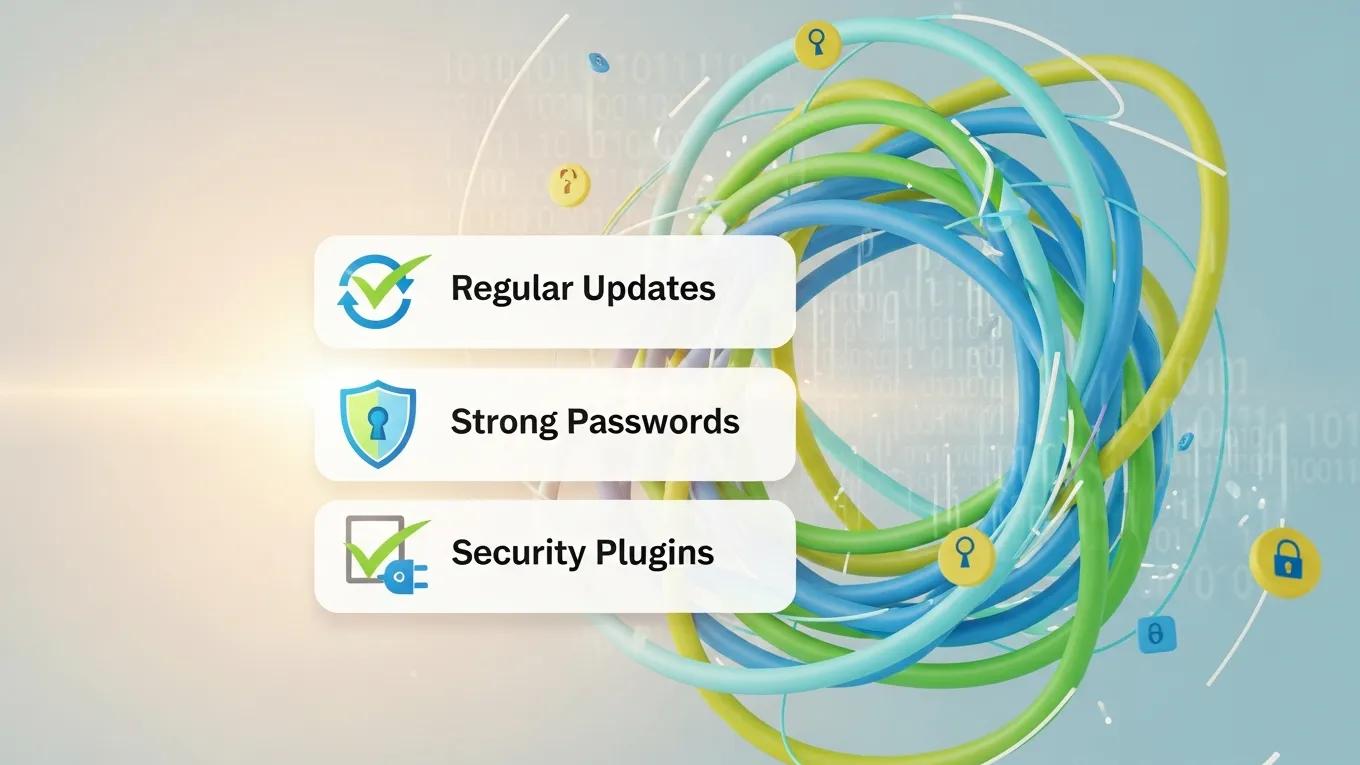
To maintain the security of your WordPress site, consider implementing the following strategies:

  1. Regular Updates: Keep your WordPress core, themes, and plugins updated to protect against known vulnerabilities.
  2. Strong Password Policies: Enforce strong password requirements for all users to minimize the risk of brute force attacks.
  3. Security Plugins: Utilize security plugins that offer features such as malware scanning, firewall protection, and login attempt monitoring.
  4. Routine Security Checks: Conduct regular security audits to identify and address potential vulnerabilities.
  5. Backup Solutions: Implement a reliable backup solution to ensure that you can restore your site quickly in the event of a security breach.

By adopting these strategies, website owners can significantly enhance their site’s security and resilience against cyber threats.

Secure WP Solutions offers comprehensive WordPress maintenance plans that include regular security monitoring, ensuring your website remains protected against evolving threats. Investing in these services can provide peace of mind, knowing that your site is in expert hands.

Why Should WordPress Site Owners Invest in Regular Security Monitoring?

Investing in regular security monitoring is essential for WordPress site owners for several reasons. Enhanced security measures help protect sensitive data, improve overall site performance, and provide peace of mind knowing that potential threats are being actively managed. Regular monitoring can also minimize downtime caused by security incidents, ensuring that your site remains accessible to users. By prioritizing security, website owners can foster trust with their audience and maintain a positive online reputation.

In conclusion, regular WordPress security monitoring is a critical component of maintaining a secure and reliable website. By understanding the common threats, types of malware, and effective strategies for protection, site owners can take proactive steps to safeguard their online presence.

Secure WP Solutions
Privacy Overview

This website uses cookies so that we can provide you with the best user experience possible. Cookie information is stored in your browser and performs functions such as recognising you when you return to our website and helping our team to understand which sections of the website you find most interesting and useful.