
Enhance Your Site: Benefits of WordPress Security Monitoring
How Regular WordPress Security Monitoring Protects Your Website From Hackers
Importance of Monitoring
Common Security Threats Targeting WordPress Sites
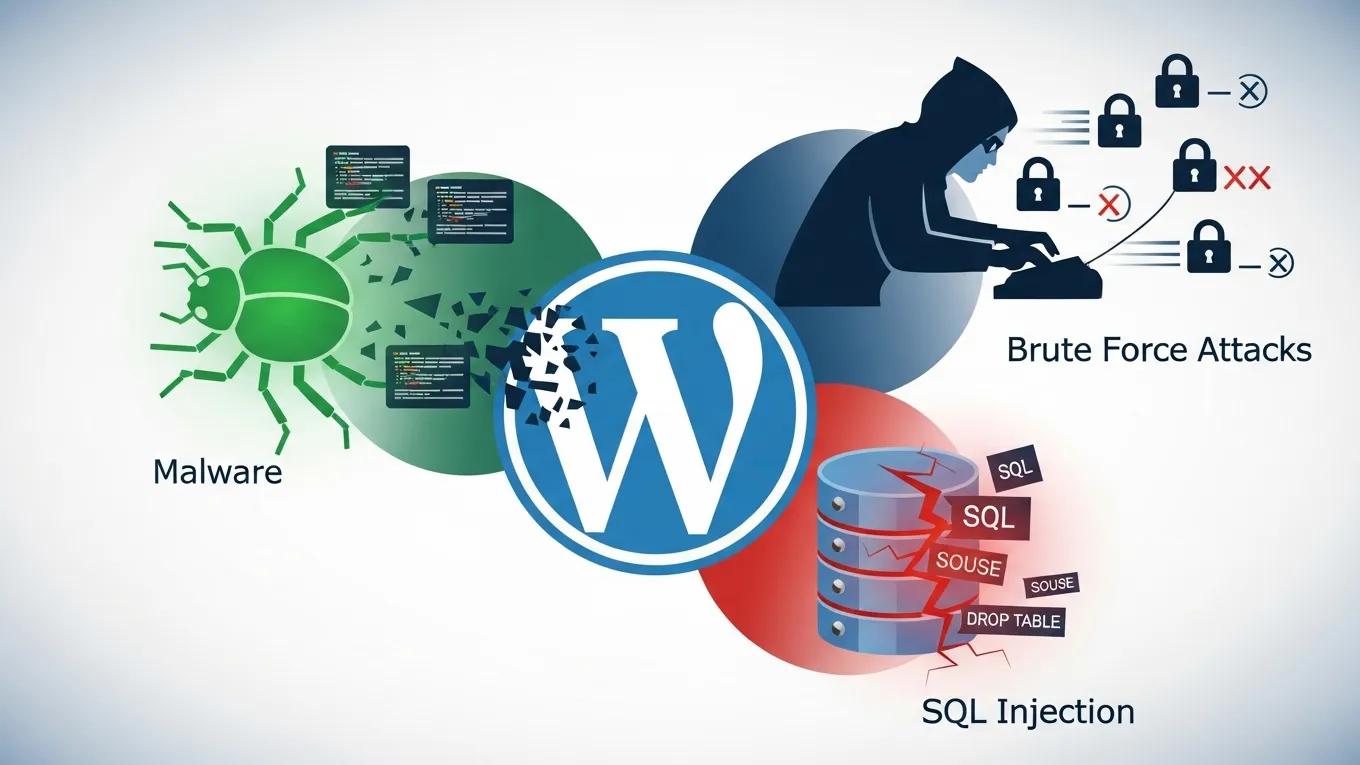
- Malware Infections: Malicious software can compromise the integrity of your site, leading to data theft or site defacement.
- Brute Force Attacks: Attackers use automated tools to guess passwords, gaining unauthorized access to the site.
- SQL Injection: This technique involves inserting malicious SQL queries into input fields, allowing attackers to manipulate the database.
- Cross-Site Scripting (XSS): XSS attacks enable hackers to inject malicious scripts into web pages viewed by users, potentially stealing sensitive information.
- Outdated Plugins and Themes: Failing to update plugins and themes can leave your site vulnerable to known exploits.
WordPress Brute-Force Attacks: An Overview
WordPress, with more than 18M websites world wide, is the most prominent WCMS. Is because of its popularity that this and other well-known WCMSs have been systematically attacked for the past years by different threat actors seeking disposable infrastructure for their attacks.Brute-force attacks are one of the most common types of attacks against WCMSs.
An overview of the WCMS brute-forcing malware landscape, V Valeros, 2017
Types of Malware and Vulnerabilities
- Malicious Code Injection: Attackers insert harmful code into your site, which can execute harmful actions without your knowledge.
- Redirects: Malware can redirect users to malicious sites, compromising their security and your site's reputation.
- Data Theft: Some malware is designed specifically to steal sensitive information, such as user credentials and payment details.
How Hackers Exploit Weaknesses
Effective Strategies for Maintaining Website Safety
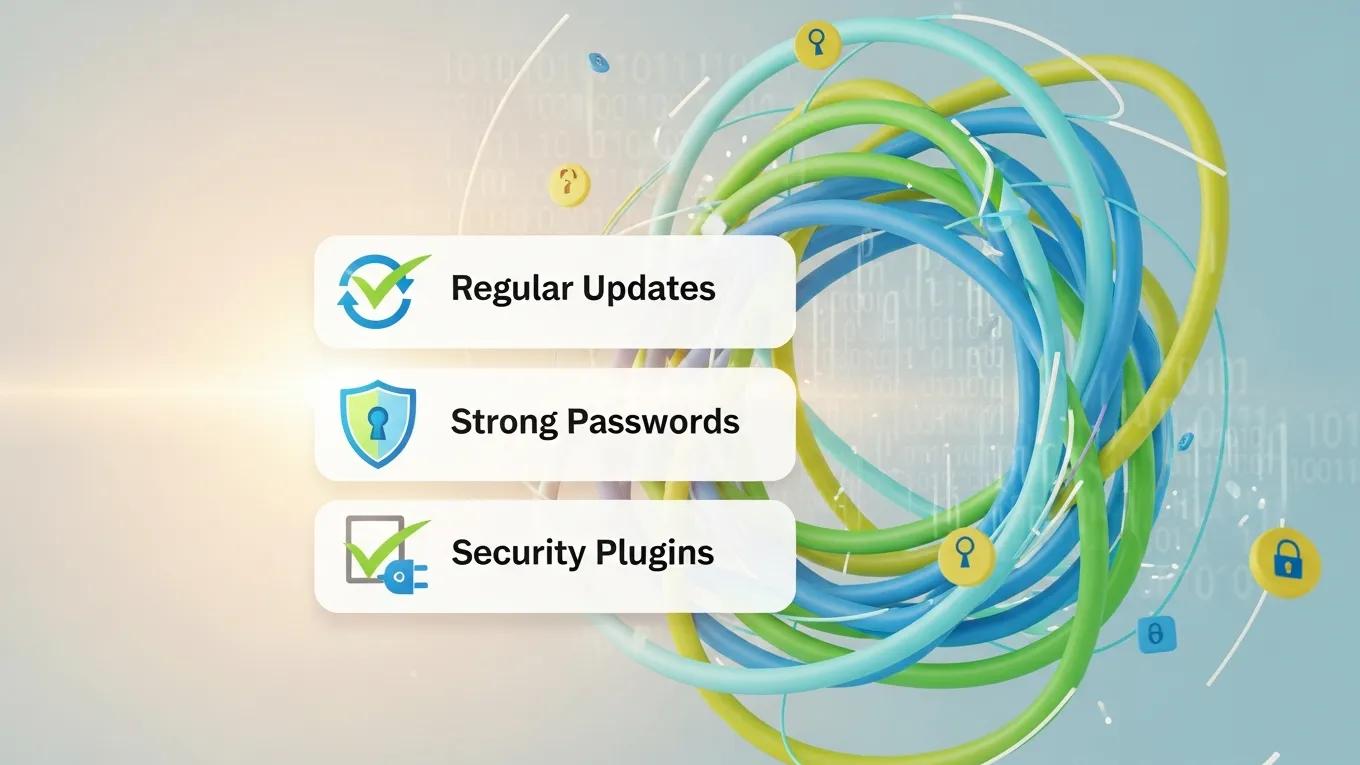
- Regular Updates: Keep your WordPress core, themes, and plugins updated to protect against known vulnerabilities.
- Strong Password Policies: Enforce strong password requirements for all users to minimize the risk of brute force attacks.
- Security Plugins: Utilize security plugins that offer features such as malware scanning, firewall protection, and login attempt monitoring.
- Routine Security Checks: Conduct regular security audits to identify and address potential vulnerabilities.
- Backup Solutions: Implement a reliable backup solution to ensure that you can restore your site quickly in the event of a security breach.